
The Easter mental load: the invisible project behind every family holiday
Easter morning looks like magic. The eggs are hidden. The baskets are full. Brunch is on the table, the outfits match, and the kids are tearing through the yard squealing.
But here’s the thing — none of that just happened. Behind every smooth family Easter is one parent carrying the entire mental load: weeks of planning, coordinating, and executing that nobody else sees.
The Easter planning to-do list nobody sees
If you’re the parent who “does Easter,” you already know this list by heart.
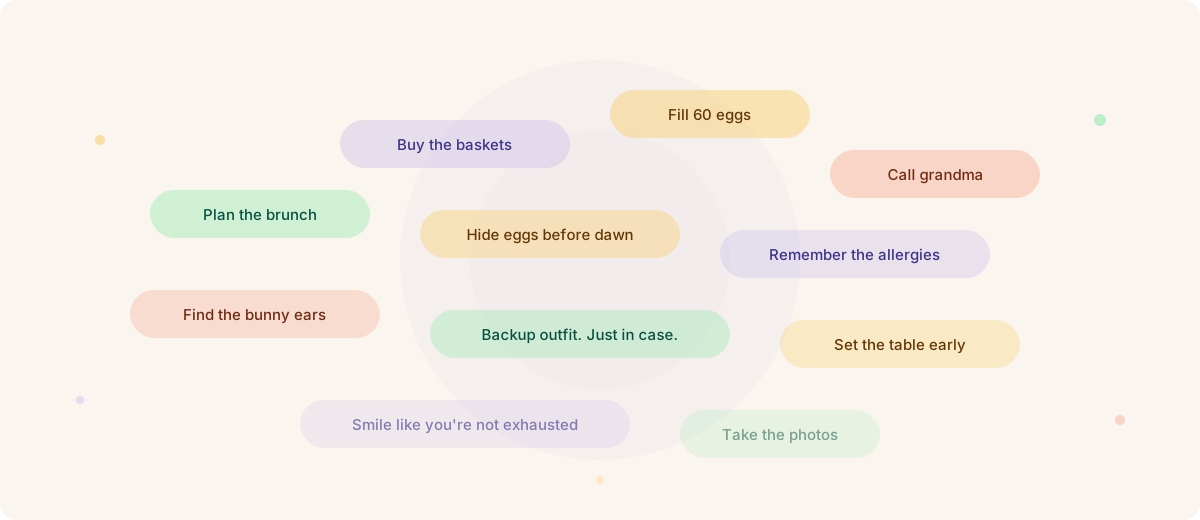
Buy the baskets. Fill the eggs. Plan the brunch menu. Coordinate timing with the grandparents. Remember who’s vegetarian, who’s allergic, who’s bringing the rolls. Find the bunny ears from last year. Buy backup outfits. Hide 60 plastic eggs in the dark before anyone wakes up.
Then set the table. Take the photos. Keep the toddler from eating a wrapper. Smile like you’re not running on four hours of sleep and a lot of adrenaline.
And when it all comes together — when the morning feels magical and easy — nobody sees the work. That’s the strange reward for doing the Easter prep well: the effort disappears.
Why the mental load of family holidays always falls to one parent
Here’s what’s easy to miss: this isn’t really about Easter. It’s a pattern that runs all year long — the holiday just makes it obvious.
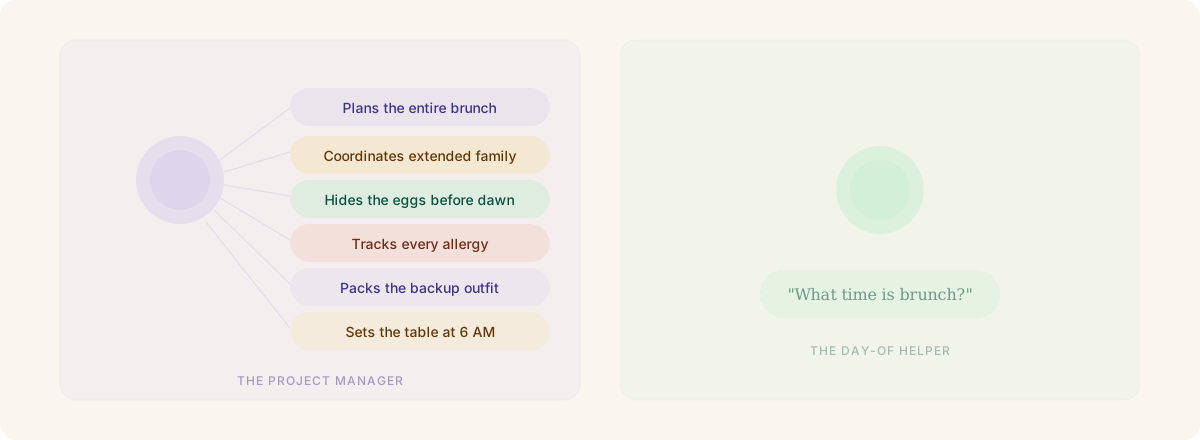
In most families, one parent carries the coordination layer. They’re the one who knows the schedule, tracks the details, remembers the preferences, and holds the plan. Not because they’re better at it. Because the system never gave anyone else a way in.
Researchers call this “cognitive labor” — the constant, invisible work of anticipating needs, tracking logistics, and holding the family’s operating context in your head. It’s different from doing tasks. It’s knowing which tasks need doing, when, and in what order. And during holidays like Easter, the volume of that cognitive labor triples overnight.
When there’s no shared place for all that information, it has to live somewhere — and it usually ends up in one person’s head. The Easter mental load is just the year-round mental load with the volume turned up.
The other parent isn’t checked out. They just can’t see the full picture. So they wait to be asked, help when they’re told, and genuinely believe the holiday came together without too much fuss.
This is why “just tell me what to do” — even when it’s said with the best intentions — doesn’t actually solve the problem. The asking and telling is the work. The goal isn’t to delegate better. It’s to make the plan visible so both parents can see it and own it without anyone having to be the project manager.
What sharing the Easter mental load actually looks like
Imagine a different version of Easter this year.
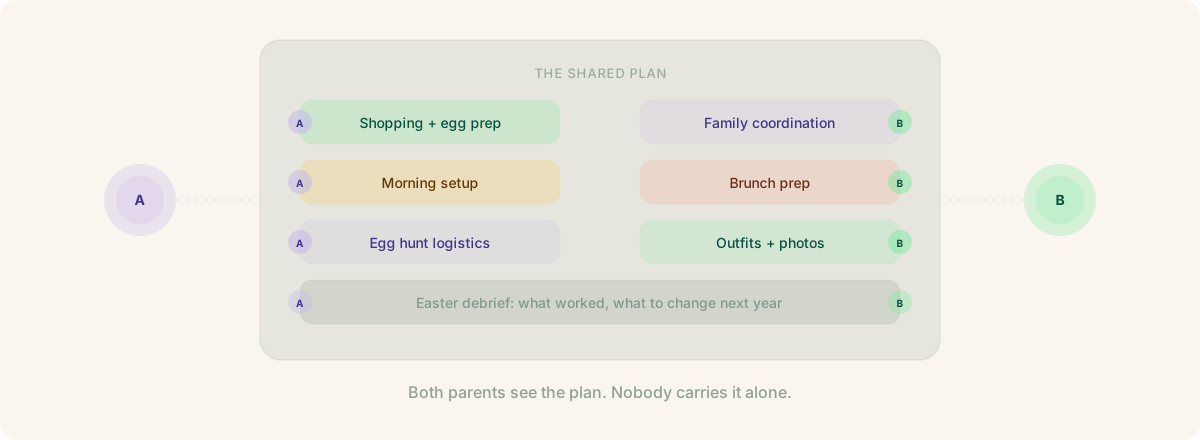
The week before, both parents can see the same plan — meals, setup tasks, timing, who’s handling what. One parent takes the shopping and the egg prep. The other coordinates with extended family and handles the morning setup. Nobody has to ask. Nobody has to remind. Nobody carries the whole thing alone.
And on Easter morning, instead of running the show — you’re actually in it. Watching your kids find the eggs. Drinking your coffee while it’s still warm. Being present, not managing.
That’s not a fantasy. That’s what happens when the plan is visible and the work is shared.
The difference between version one and version two isn’t that anyone worked harder. It’s that both parents could see the same information at the same time. When you have shared visibility, you don’t need to “communicate better” or “ask for help.” The help is built into the system.
How to share Easter planning (even this year)
You don’t need to overhaul your family’s whole system before Sunday. Here are three small shifts that make a real difference when it comes to sharing the mental load of family Easter planning:
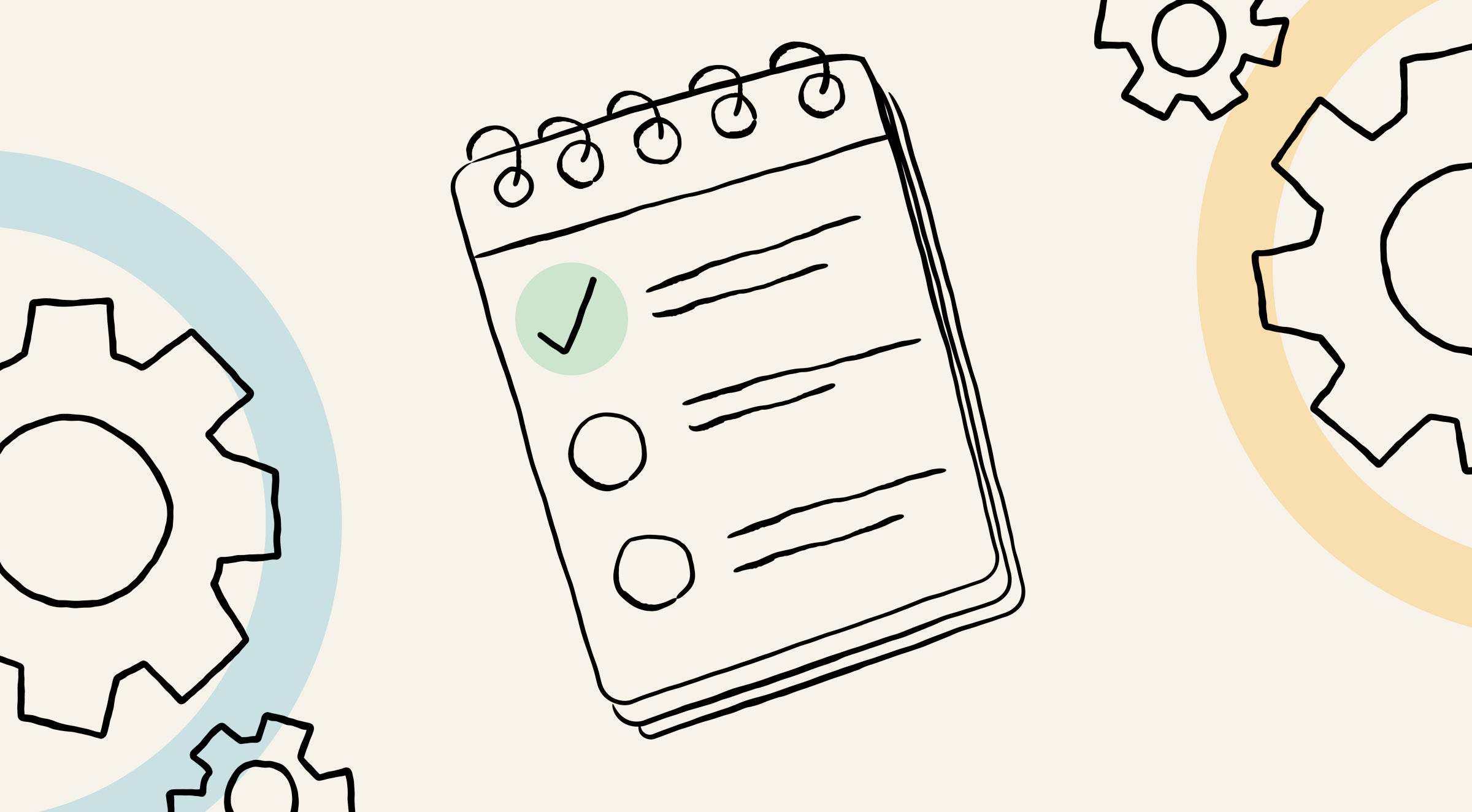
Make the plan visible. Write down everything that needs to happen for Easter — every task, every errand, every coordination detail. The act of getting it out of your head and into a shared space is the single biggest unlock. It’s not about the list. It’s about everyone being able to see it.
Split by ownership, not by asking. Instead of one parent assigning tasks in real time, divide the plan into chunks and let each person own their part completely. “You’ve got shopping and eggs. I’ve got brunch and family coordination.” No check-ins needed. No reminders. Just two people running their part.
Debrief after, not during. Save the “how did that go?” conversation for after Easter, not in the middle of the morning scramble. What worked? What fell through the cracks? What would you change next time? This is how you build a system that gets better every holiday — not just this one.
Frequently asked questions about the Easter mental load
Why does Easter planning always fall to one parent?
It’s usually not a choice — it’s a pattern. One parent starts holding the details, the other parent gets used to asking, and over time the gap widens. Without a shared system, there’s no way for the second parent to see what needs doing without being told.
How do I talk to my partner about sharing the Easter mental load?
Skip the conversation about “helping more” — that keeps one person in charge. Instead, sit down together and write out everything that needs to happen for Easter. Then divide the list into two chunks of ownership. The shift isn’t about communication. It’s about shared visibility.
Is the mental load the same as just being organized?
No. The mental load is specifically the cognitive work of tracking, anticipating, and coordinating — not the tasks themselves. You can be “organized” and still carry 100% of the mental load. The goal is sharing the awareness, not just the to-do items.
A calmer Easter is possible
Easter will always be full. The eggs, the brunch, the extended family, the sugar-fueled chaos — that’s the holiday, and it’s wonderful.
But full doesn’t have to mean one parent carries all of it while the other enjoys it. When both parents can see the plan and own a piece of it, the holiday goes from something you manage to something you actually experience.
That’s what Maple is for — one shared view of your family’s week, so no one has to carry it alone.
This Easter, try sharing the plan. You might actually get to enjoy the egg hunt yourself.
Related articles




Ready to get your family organized?
Bring clarity and calm to everyday family planning with one shared space for emails, events, tasks, and meal plans.